

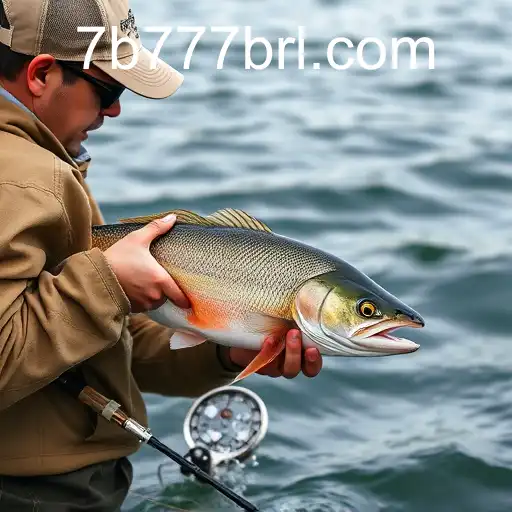
The Art and Science of Fishing
Introduction to Fishing
Fishing is more than just a leisure activity; it is an intricate blend of art, science, and tradition. Throughout human history, fishing has played a crucial role in survival, commerce, and culture. Today, it remains a popular pastime, a challenging sport, and an essential industry supporting millions worldwide.
The Evolution of Fishing Techniques
Early humans relied on spears and simple nets to catch fish, leading to innovations such as the hook and line, traps, and gillnets. As communities began to settle near rivers, lakes, and oceans, these techniques evolved, allowing for more efficient and sustainable fishing practices. Modern fishing employs advanced technology, including sonar and GPS systems, enhancing both catch rates and conservation efforts.
Traditional and Modern Fishing Methods
While some fishing methods have stayed consistent over centuries, others have become more sophisticated. Techniques like fly fishing, where anglers use artificial flies to mimic insects, require skill and patience, often considered an art form. Conversely, commercial fishing employs trawlers and long lines, equipped with technology to reach deep-sea fish stocks efficiently, although this raises concerns about overfishing and habitat destruction.
Fishing in Modern Society
Fishing's role in modern society is multifaceted. It serves as a major economic driver in many regions, providing livelihoods and contributing significantly to the global food supply. With the increasing demand for seafood, sustainable fishing practices are paramount to ensure future availability. Fisheries management and responsible aquaculture practices are critical elements in balancing ecological stability with economic needs.
Recreational Fishing: A Popular Pastime
For millions, fishing is a cherished pastime—a chance to connect with nature and unwind. Anglers often join communities or participate in tournaments, fostering camaraderie and competition. Whether fishing in freshwater lakes or saltwater environments, the experience offers relaxation and thrill, making it a favorite hobby for all ages.
Ecological Impacts and Sustainability
The ecological footprint of fishing activities cannot be overlooked. Overfishing, bycatch, and habitat destruction have led to declining fish populations and ecosystem imbalances. However, sustainability initiatives are gaining traction. Organizations and governments are working together to implement quotas, protected areas, and sustainable certifications, ensuring that fishing remains a viable practice for future generations.
The Role of Technology in Fishing
Technology has significantly altered the fishing landscape. Tools like fish finders, weather forecasting, and digital mapping enhance the efficiency and safety of fishing endeavors. Online platforms such as 7B777.COM provide resources, forums, and marketplaces, connecting anglers globally and fostering a community where fishing enthusiasts can share tips and gear.
Cultural Significance of Fishing
Fishing holds profound cultural significance in many societies. It features in folklore, art, and gastronomy worldwide. Traditional fishing festivals celebrate the harvest, while Indigenous fishing rights highlight cultural heritage and territorial sovereignty. These practices emphasize the need to preserve fishing traditions amidst a rapidly changing world.
Challenges and Future of Fishing
The future of fishing faces challenges related to climate change, pollution, and regulatory enforcement. Adapting to these changes is essential to protect both the environment and industry. Continued research, innovation, and stakeholder collaboration will be key in overcoming these hurdles, ensuring a sustainable and thriving fishing sector.